
A Journey Through Art, Imagination, and Timeless Stories
The Milkmaid

The Maharashtrian Lady

There Comes Papa


Chapter 1: A Boy Who Loved to Draw
Long before cameras and smartphones existed, there lived a young boy in a palace in Kerala.
His name was Ravi Varma.
While other children spent their afternoons playing games, Ravi loved drawing. He would sketch people, animals, and scenes from everyday life whenever he could.
What began as a simple childhood hobby would one day change the face of Indian art forever.

Chapter 2: The Magic Hidden in Stories
As Ravi grew older, he listened carefully to stories told by elders.
Stories of brave princes.
Stories of wise queens.
Stories of gods, goddesses, and magical worlds from the Ramayana and Mahabharata.
These stories filled his imagination.
Soon, he began wondering:
"What if I could paint these stories so everyone could see them?"

Chapter 3: Bringing Legends to Life
At that time, most people knew these characters only through books and storytelling.
Nobody had seen what Shakuntala, Damayanti, Lakshmi, or Saraswati might truly look like.
Ravi Varma picked up his brush.
With every stroke, he gave life to these beloved characters.
Suddenly, legends had faces.
Stories had colors.
Dreams became visible.
Chapter 4: The Princess Who Looked Back
One of Ravi Varma's most famous paintings was Shakuntala.
In the story, she pretends to remove a thorn from her foot while secretly looking back at the prince she loves.
It is a small moment.
A simple glance.
Yet Ravi Varma captured an entire story in that single expression.
More than a hundred years later, people still admire her beauty and emotion.

Chapter 5: When a Swan Carried a Message
Another famous painting tells the story of Damayanti.
A magical swan brings her a message from Prince Nala.
Ravi Varma painted the scene with such grace that it feels almost real.
You can almost imagine the princess listening carefully as the swan speaks.

Chapter 6: The Faces of the Divine
Perhaps Ravi Varma's greatest achievement was how he painted India's gods and goddesses.
His images of Lakshmi and Saraswati became so popular that they found their way into homes across the country.
For millions of people, these paintings became the image of divinity itself.

Chapter 7: Art for Everyone
In those days, paintings were expensive.
Only kings and wealthy families could afford them.
Ravi Varma wanted ordinary people to enjoy art too.
So he started printing copies of his paintings.
Soon, his artwork appeared in homes, shops, schools, and temples across India.
His paintings no longer belonged to a few.
They belonged to everyone.

Chapter 8: More Than a Painter
Ravi Varma was not just painting pictures.
He was shaping imagination.
When people thought of Lakshmi, they remembered his paintings.
When they imagined Shakuntala, they saw his artwork.
His brush helped generations visualize India's greatest stories.

Chapter 9: A New Life Through AI
More than a century has passed since Ravi Varma painted these masterpieces.
Today, new technologies allow us to imagine what these characters might look like if they stepped out of the canvas and into the real world.
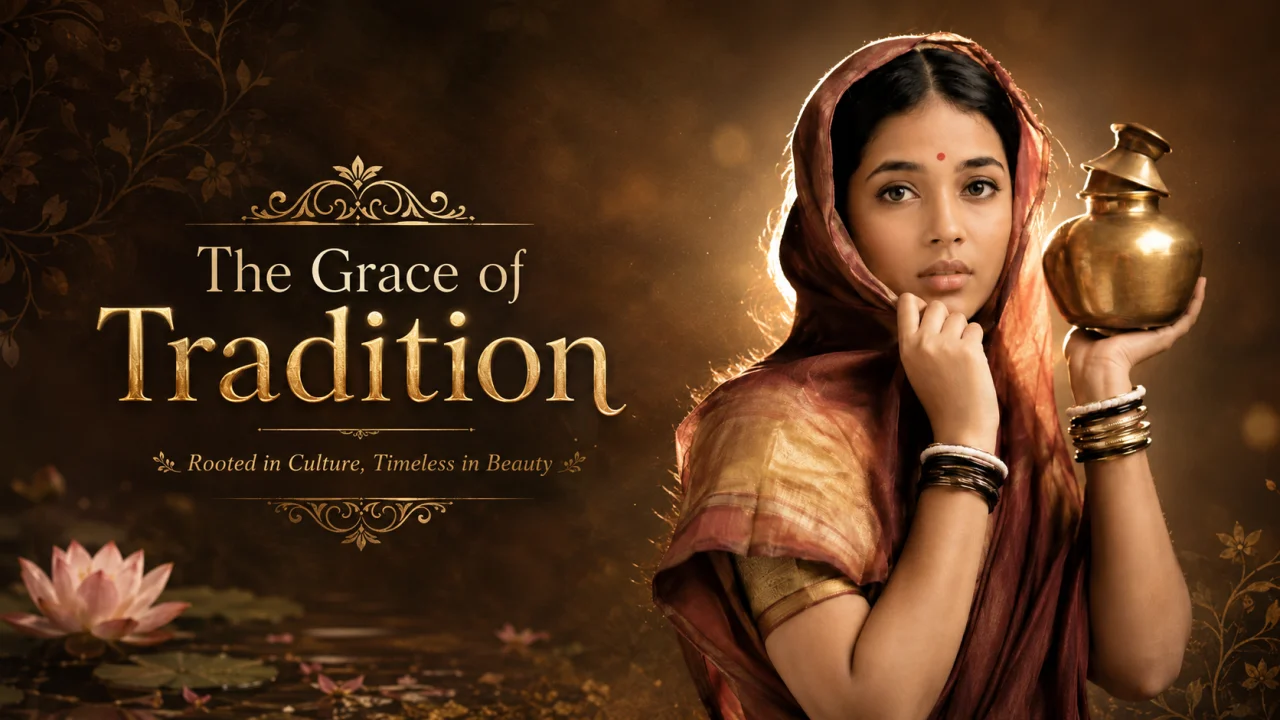
The images in this gallery are modern AI-inspired interpretations created as a tribute to the artist's extraordinary vision.
They are not replacements for the originals.
They are a celebration of them.


A Legacy That Never Fades
From a young boy drawing in a palace in Kerala to becoming one of India's most celebrated artists, Raja Ravi Varma showed the world that stories can live forever through art.
And even today, every painting continues to whisper a story to those willing to look closely.
Found this helpful?
Let's continue the conversation in a personal, dedicated session.